The Right Way to Approach Roof Decking Mold Cleaning
If you have ever peeled back a layer of roof decking after a long, wet season in Fort Worth, you know the smell. It is not just damp wood. It is the musty, organic odor of mold and mildew that has taken hold in the dark, warm space under your shingles. I have spent years working with homeowners and property managers who discover this problem only after the damage is done. The common reaction is to grab a bottle of bleach and scrub. That approach often makes things worse. Effective roof decking mold cleaning requires a careful strategy that starts with understanding what you are up against and why standard household cleaners fall short.
Why Mold Thrives on Roof Decking
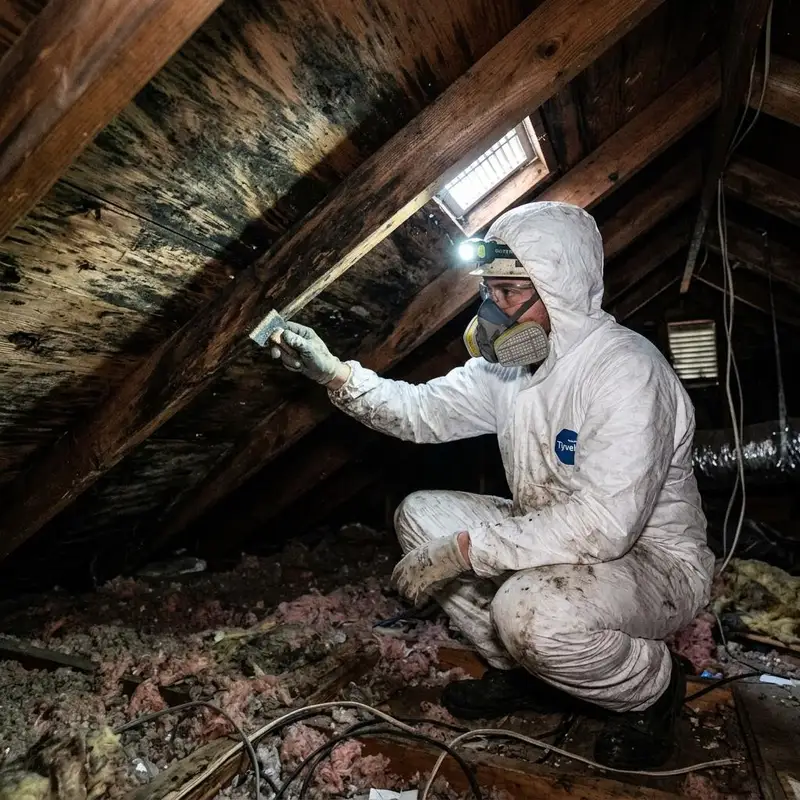
Roof decking, whether it is OSB decking or plywood decking, sits in a unique environment. One side faces the hot attic. The other side sits under roof shingles that can trap moisture. In Texas, where summer heat meets sudden downpours, that decking can cycle through wet and dry conditions quickly. A small roof leak might go unnoticed for months, slowly soaking the wood. Even without a visible leak, attic moisture from everyday living can condense on the underside of the decking on cool nights. That moisture feeds mold spores that are always floating in the air. Once mold takes hold, it does not just stay on the surface. It digs into the wood fibers, especially in the porous surface of OSB decking.
What Not to Use: The Bleach Trap
Bleach is a common first choice for mold cleaning. It is cheap, it is familiar, and it kills many surface germs. But for porous surfaces like wood decking, bleach is a poor option. Bleach is mostly water. When you apply it to wood, the water soaks into the grain, carrying the mold spores deeper. The chlorine in bleach evaporates quickly, leaving the moisture behind. That moisture can actually encourage new mold growth. I have seen cases where someone bleached their attic decking and returned three months later to find more mold than before. For roof decking mold cleaning, bleach should stay under the sink. It has its place in bathrooms on tile, but not on wood.
Better Cleaning Agents for Wood Decking
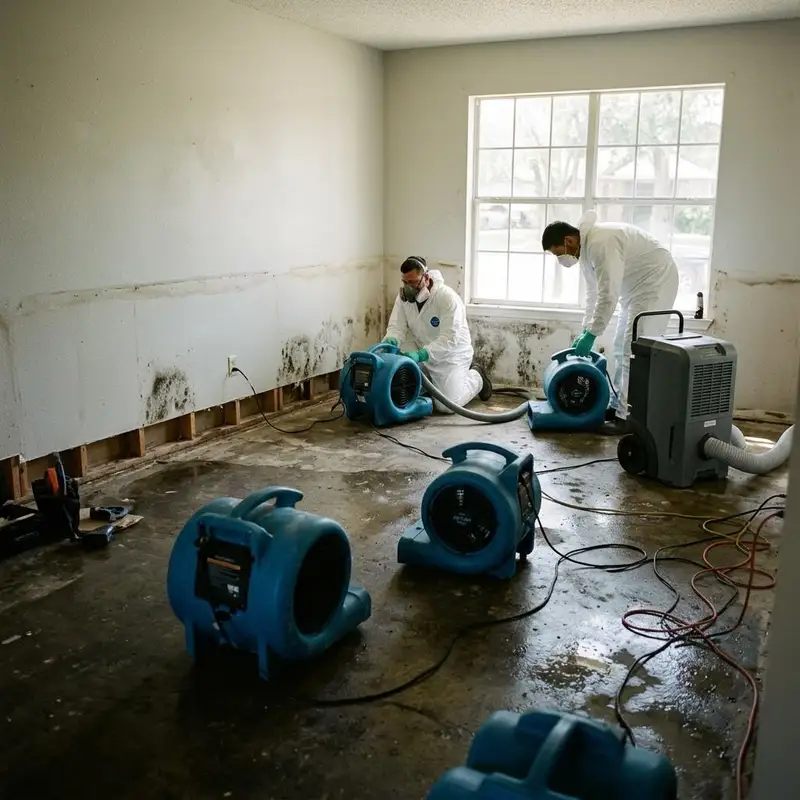
Hydrogen peroxide is a stronger choice for killing mold on wood. It fizzes on contact with organic material, breaking down mold at the cellular level. It also breaks down into water and oxygen, leaving no residue that feeds future growth. For light to moderate mold, a 3% hydrogen peroxide solution from the drugstore can work. For heavier growth, a 6% or 8% solution is better, but you need to handle it with gloves and eye protection. White vinegar is another option. It is acidic enough to kill many mold species, and it does not add moisture problems the way bleach does. You can spray undiluted white vinegar on the decking, let it sit for an hour, then scrub with a stiff brush. The smell fades quickly. Some people add boric acid to the mix for extra fungicidal power. Boric acid is a mild preservative that stays in the wood and discourages regrowth, though you need to be careful with it around pets and children.
Commercial Products That Work
For serious infestations, I have had good results with Concrobium. It is a sodium carbonate-based cleaner that encapsulates mold spores and leaves a protective barrier on the wood. It does not just kill the mold on contact; it prevents the dead spores from becoming airborne and causing respiratory issues. Another product worth mentioning is RMR-86. It is a heavy-duty mold stain remover that works fast on dark, stubborn growth. You spray it on, let it sit for a few seconds, and the mold stains disappear. It is great for cleaning the visible staining on decking, but it does not provide long-term protection. For ongoing prevention on outdoor decking or in areas with persistent moisture, Wet and Forget is a common choice. You apply it with a garden sprayer, and it works slowly over weeks to break down mold and mildew. It is not a quick fix, but it reduces the need for frequent scrubbing.
The Cleaning Process: Step by Step
Before you start any roof decking mold cleaning, you need to address the root cause. If there is a roof leak, fix it first. If attic moisture is high, improve roof ventilation and consider adding a moisture barrier on the attic floor. Cleaning mold without stopping the moisture source is like mopping the floor while the sink is still running. Once the moisture issue is handled, you can proceed.
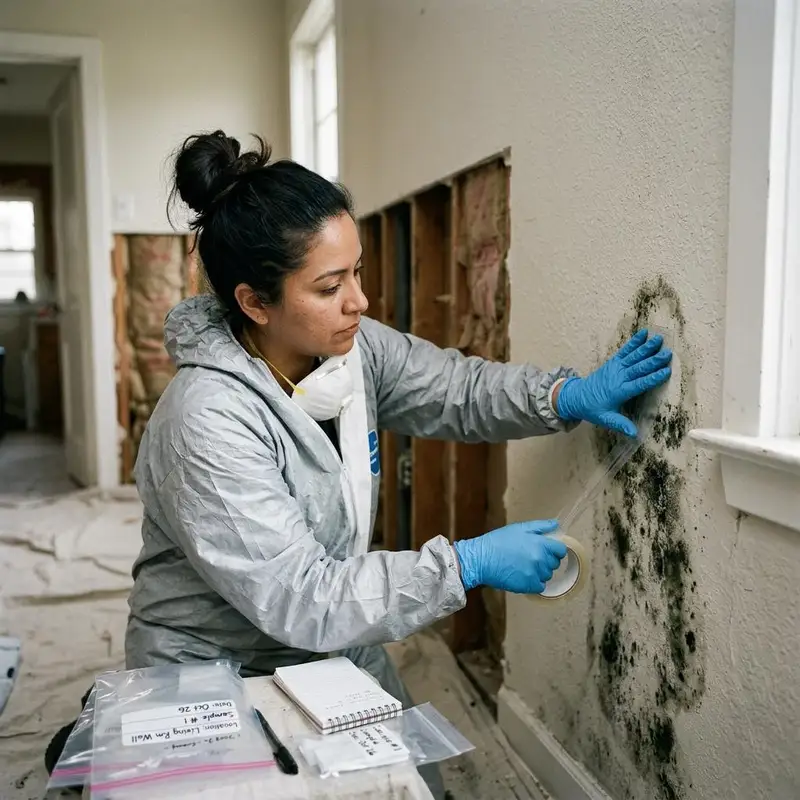
Start by protecting yourself. Wear an N95 respirator, gloves, and eye protection. Open any windows or vents in the attic to get airflow. Use a HEPA vacuum to remove loose mold spores and debris from the decking surface. This step is crucial because it reduces the number of spores you will be scrubbing into the air. Do not skip it. Next, apply your chosen cleaner. If you are using hydrogen peroxide or white vinegar, spray it on generously and let it sit for at least 15 minutes. For Concrobium or RMR-86, follow the label instructions. Scrub the decking with a stiff brush or a pressure washer set to low pressure if the decking is in good shape. Be careful with a pressure washer on OSB decking. The high pressure can strip the surface and damage the wood. Stick to scrubbing by hand or use a low-pressure nozzle.
Drying and Prevention
After cleaning, the decking needs to dry completely. This can take days in an attic, especially in humid Texas weather. Run a dehumidifier or use fans to move air across the surface. Once the wood is dry, inspect it for any remaining mold. If you see dark spots, repeat the cleaning. Once you are satisfied, consider applying a mold-inhibiting primer or sealant to the decking. This adds a layer of protection that makes future cleaning easier. Also, check your roof shingles for damage or lifting. Replace any shingles that are cracked or missing. Good roof ventilation is your best long-term defense. Turbine vents, ridge vents, or soffit vents keep air moving through the attic and reduce the humidity that mold needs to grow.
When to Call a Professional
Not every mold problem on roof decking is something you should handle alone. If the mold covers a large area, if you suspect the mold is toxic (like Stachybotrys, the black slimy mold), or if the decking is so rotted that it sags under your weight, stop and call a mold remediation company. In Fort Worth, there are specialists who do this work every day. They have commercial-grade HEPA vacuums, industrial-strength fungicides, and the experience to know when decking needs to be replaced versus cleaned. Trying to clean heavily rotted decking can put you at risk of falling through the ceiling. It can also spread mold spores throughout your home if you do not contain the area properly.
I once worked with a homeowner in Fort Worth who had a slow roof leak for over a year. The OSB decking in his attic was covered in thick, black mold. He had tried bleach three times with no success. When we opened up the area, the decking was so soft you could push a screwdriver through it with one hand. That decking had to be replaced entirely. No amount of cleaning would have saved it. The lesson is that roof decking mold cleaning is not just about the cleaning product. It is about timing, moisture control, and knowing when the wood is too far gone.
Final Thoughts on Keeping Decking Clean
Mold on roof decking is a common problem in Texas, but it is manageable with the right approach. Skip the bleach. Use hydrogen peroxide, white vinegar, or a product like Concrobium. Address the moisture source first. And if the mold keeps coming back, look at your roof ventilation and attic moisture levels. A small investment in a moisture barrier or better roof ventilation can save you from tearing out and replacing your decking down the road. Roof decking mold cleaning is a job that rewards patience and prevention more than any quick fix ever will.
Corrections
Spot something wrong? Send it to the desk and it gets fixed in the open.